



For a short while, manufacturers embraced political advertising and marketing. That development is fading.

That is an version of The Atlantic Day by day, a publication that guides you thru the largest tales of the day, helps you uncover new concepts, and recommends one of the best in tradition. Join it right here.
Yearly, Tremendous Bowl advertisers pay thousands and thousands to seem on screens for a minute or much less. The advert slots have a tendency extra towards the upbeat than the controversial. However even by the low bar of Tremendous Bowl promoting, this yr was quite risk-averse. Candy animals and mascots abounded. A number of advertisements featured vaguely old-timey montages. At a sure level, the commercials began to mix collectively. (The 2 completely different advertisements that includes flying hair actually did.)
In previous massive video games, some firms have tried to talk to the zeitgeist by addressing civic or political themes of their advertisements. In 2017, simply after Donald Trump was inaugurated for the primary time, some main Tremendous Bowl advertisers addressed politics head-on: Budweiser launched an advert portraying the founding father of the corporate encountering discrimination as he immigrated to America. Airbnb’s spot that yr seemingly criticized Trump’s then–journey ban.
Prior to now decade or so, specifically, some manufacturers have embraced explicitly political advertising and marketing, giving credence to the concept that customers “vote with their wallets.” Some customers have mentioned that they do: A 2018 survey from the communications agency Edelman discovered that just about 60 p.c of American customers would purchase or boycott a model “solely due to its place on a social or political concern,” up 12 factors from the yr earlier than. Following the Black Lives Matter protests of 2020 and the overturning of Roe v. Wade in 2022, many customers (and workers) demanded that main companies, even these whose companies didn’t immediately relate to social points, take a stand on matters akin to race, voting rights, and abortion—even when some suspected that firms had been responding to strain quite than appearing on real precept.
This yr’s Tremendous Bowl advertisers confirmed little curiosity in going close to any of that. Few made specific reference to politics (excepting nonprofits). Timothy Calkins, a advertising and marketing professor at Northwestern, advised me that he sees the 2023 Bud Gentle imbroglio, through which the corporate confronted huge backlash over partnering with the transgender influencer Dylan Mulvaney in a social-media video, as a shift. By 2023, Individuals had began to melt on their curiosity in firms taking a stand on social points, in line with Gallup. Glints of a transfer away from political advertisements had been obvious final yr; throughout each the 2023 and the 2024 video games, Budweiser made a nostalgia play, focusing its advertisements on the model’s basic Clydesdale horses.
The NFL, for its half, determined this yr to take away the message “Finish Racism,” which had been stenciled onto the sting of the top zone for the previous 4 Tremendous Bowls, and change it with “Select Love.” Donald Trump attended the sport, the primary sitting president to take action; the league has denied that the timing of the change was associated to the president’s attendance.
Tremendous Bowl advert area was out there for buy properly earlier than the presidential election: Skechers, again in Could, turned the primary model to substantiate that it had purchased a nationwide spot. By mid-2024, about 85 p.c of the advert models had been bought out, and by early November, all the slots had bought. A little bit of reshuffling adopted—State Farm pulled its advert after the Los Angeles–space fires—however for probably the most half, firms have been prepping for a lot of months. Nonetheless, Calkins advised me, each advertiser possible took a better take a look at their cuts after the election, to ensure that nothing would spark an excessive amount of controversy, given the brand new administration.
Tremendous Bowl advertisements value a lot—greater than $8 million this yr for some nationwide slots, almost double what they value a decade in the past—and a misstep can pose a dire danger for firms. However many nonetheless discover the large viewers, a rarity in our fractured media surroundings, definitely worth the potential treachery, Calkins advised me. The problem for manufacturers going ahead, he mentioned, is to seek out the stability of being “secure” with out shedding creativity. This yr, plenty of advertisements had been uncontroversial—and uninspired. Possibly subsequent yr, extra of them will shock us.
Associated:
Listed here are 4 new tales from The Atlantic:
As we speak’s Information
- Hamas alleged that Israel broke the cease-fire deal and has indefinitely postponed the hostage launch scheduled for this Saturday.
- A federal choose dominated that the Trump administration had didn’t comply along with his court docket order to revive federal funding after the current freeze.
- President Donald Trump introduced 25 p.c tariffs on all metal and aluminum imports.
Dispatches
Discover all of our newsletters right here.
Extra From The Atlantic
Night Learn
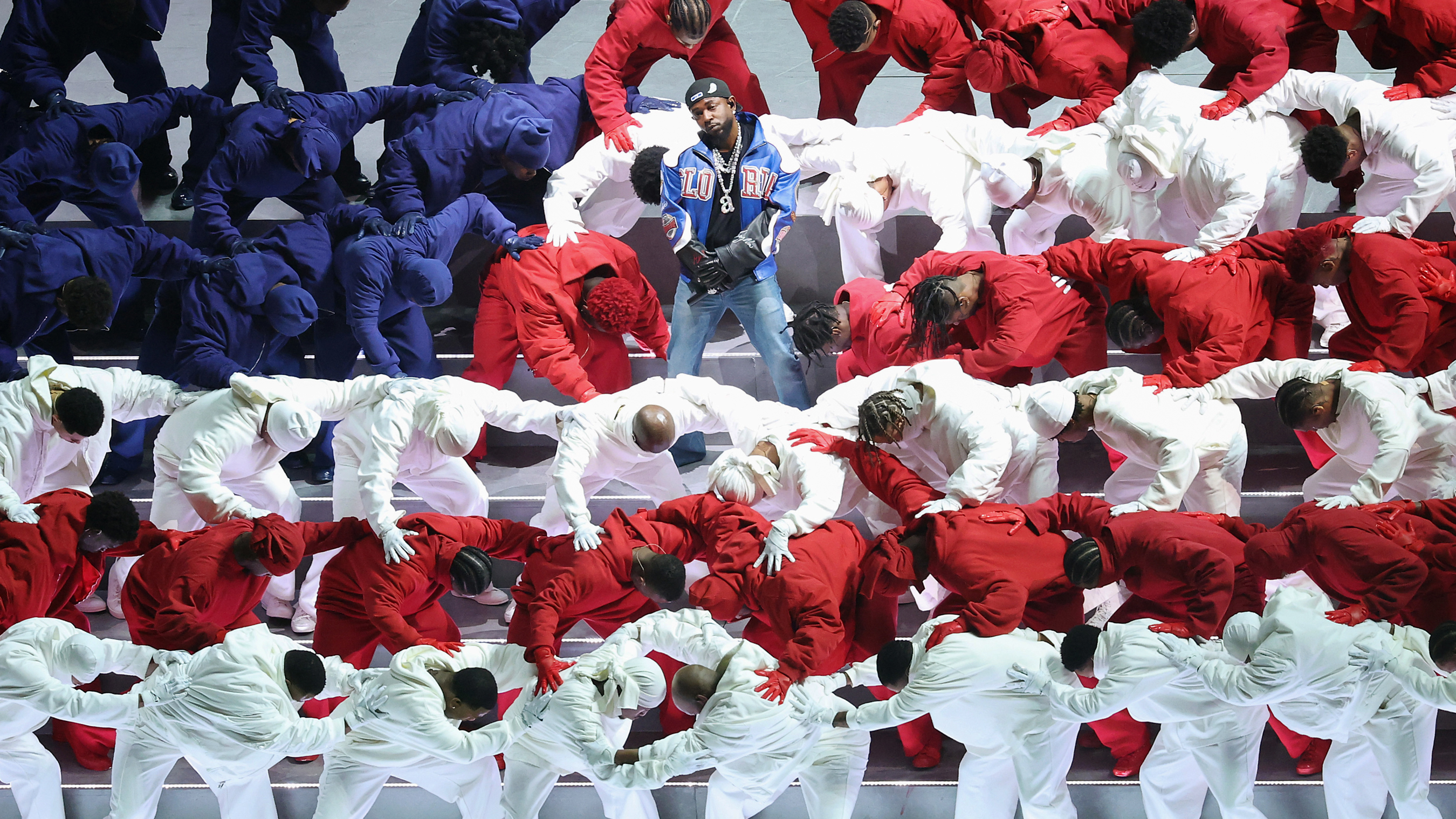
What Kendrick Lamar’s Halftime Present Stated
By Spencer Kornhaber
The Tremendous Bowl halftime present is a chance for giant, dumb enjoyable: explosions, laser reveals, left sharks. However massive, dumb enjoyable isn’t Kendrick Lamar’s factor. The 37-year-old Los Angeles rapper and Pulitzer Prize winner prefers subtlety, smarts, and enjoyable that’s tinged with hazard and unease. Amid powerful, tense circumstances, he placed on a troublesome, tense—and fairly satisfying—present.
Learn the complete article.
Tradition Break
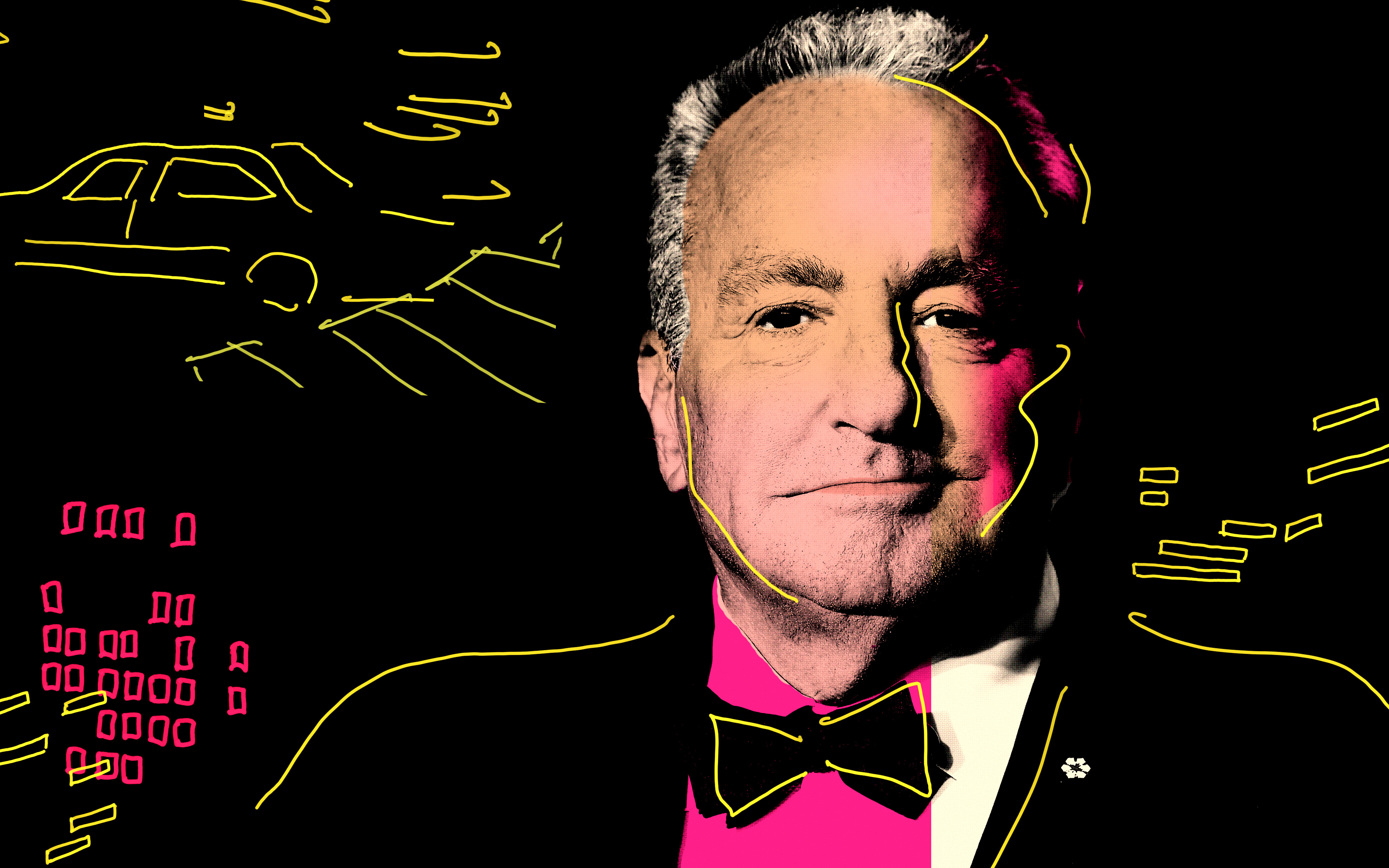
Snort (or don’t). A brand new biography of the Saturday Evening Stay creator Lorne Michaels profiles the unfunny man who turned the arbiter of humorous, James Parker writes.
Learn. The Finnish author Tove Jansson was the outsider who captured American loneliness, Lauren LeBlanc writes.
Play our every day crossword.
Stephanie Bai contributed to this text.
Once you purchase a ebook utilizing a hyperlink on this publication, we obtain a fee. Thanks for supporting The Atlantic.
