



No ache, no acquire? Not in relation to blisters. These small pockets of clear fluid underneath the pores and skin could appear innocent, however they’re something however — they will even be downright debilitating in the event that they’re on part of the physique you should navigate the day (like your ft!).
Sadly, they’re typically part of life in the event you’re lively — not less than till science finds a strategy to actually hold them from forming. It’s a pipe dream, although, since blisters have an actual objective.
What Are Foot Blisters?
“Blisters are nature’s method of defending you,” says Johanna Youner, M.D., a New York Metropolis-based podiatrist. They kind the place there’s friction from an excessive amount of rubbing, together with your arms and ft. “Fluid collects in between layers of the pores and skin and acts like a cushion,” she explains.
What Causes Foot Blisters?
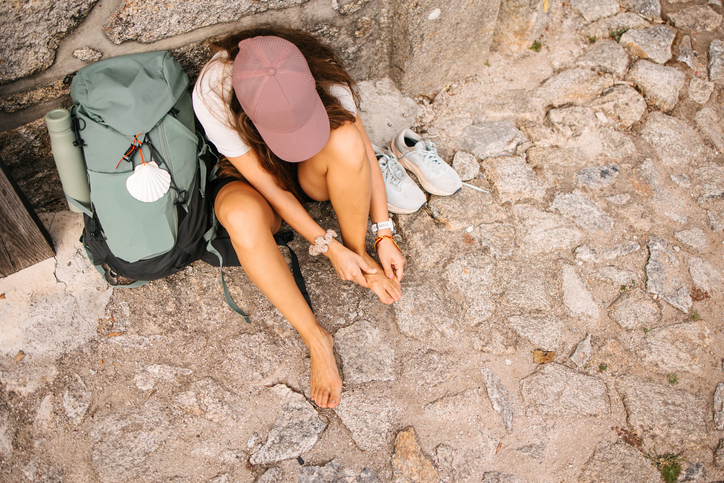
Listed below are a couple of of the most typical the explanation why blisters kind in your ft.
1. Sneakers that don’t match
One of the frequent causes of friction blisters are ill-fitting sneakers. When there’s an excessive amount of room to your foot to maneuver in free sneakers, it could actually result in extreme rubbing on stress areas, which might kind blisters.
“I’ve seen some horrible, painful blisters from individuals who have purchased sneakers that have been too giant,” Dr. Youner says. “If the foot is extremely rubbing with repetitive movement, it is going to improve the possibility of a blister.”
2. Moisture
Extreme moisture may also be a giant issue, as it could actually weaken the pores and skin and make it extra vulnerable to tears. That’s why you typically really feel the unmistakable sensation of a blister forming whenever you stroll round with moist socks and sneakers.
3. Allergic reactions
In some instances, blisters or pores and skin irritations can kind on account of an allergic response to sure chemical substances or supplies.
Tips on how to Forestall Blisters
Observe these tricks to hold blisters from forming in your ft.
1. Put money into the best sneakers
Discovering well-fitting sneakers could make a world of distinction in stopping blisters. “Don’t have a look at the quantity,” says Dr. Youner. “Many individuals put on sneakers which can be too small.”
Your greatest wager is to get sized at a working specialty retailer that provides customized becoming. The specialists measure your gait and different physiological elements of your physique after which advocate the perfect shoe to your distinctive scenario.
Dr. Youner additionally recommends sporting breathable sneakers (particularly when you have sweaty ft) to mitigate moisture.
2. Get anti-blister socks
Socks are sometimes an afterthought, however they’re additionally essential. For instance, WRIGHTSOCK’s Double Layer socks function an inside and out of doors layer to get rid of extreme friction and moisture. However there are different related moisture-wicking socks that may assist stop blisters.
Some runners even decide to put on knee-high pantyhose underneath a pair of socks to scale back the friction — the thought is that the friction that happens between your pores and skin and socks as a substitute transfers to the 2 pairs of socks themselves, leaving your pores and skin alone.
3. Fortify downside areas
David Newman, an ultramarathon runner (as much as 100 miles at a time!), makes use of some severe safety for his well-worn ft. “For my lengthy races, I lather my ft in Vaseline after which cowl blisters, or locations that always rub, with surgical tape,” he says. “That method there’s completely no chafing.”
You most likely don’t have to go that far, however retaining the ache at bay can imply the distinction between ending your exercise or sitting on the sidelines.
Foot Blister Remedy
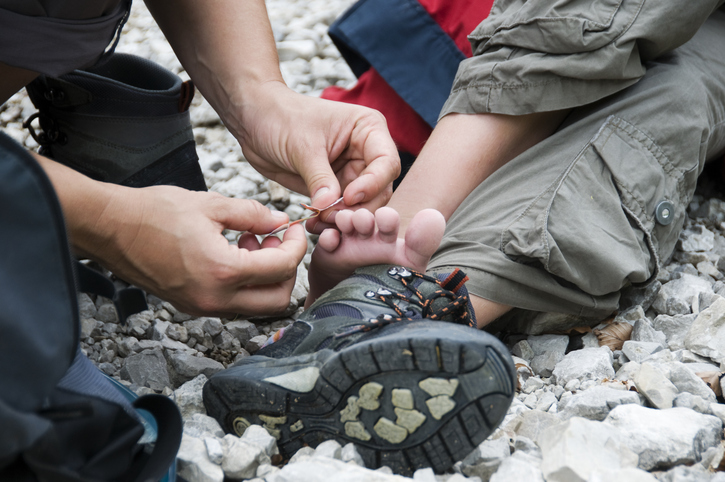
Generally blisters simply occur, regardless of what number of precautions you’re taking. When that occurs, it takes a variety of TLC to assist them heal.
In the event you discover a “sizzling spot” or ache, put a bandage on it instantly to stop additional injury, advises Dr. Youner. “It’ll act as a second pores and skin and the pores and skin will react to attempt to restore itself.”
In the event you don’t have entry to a bandage, put a layer between the affected space and no matter is hurting you. A serviette, paper towel, or gauze may also help lower the friction, she provides.
“If the blister is open, clear it with cleaning soap and water, apply Neosporin and a bandage,” she says, including that liquid bandages are additionally a strong option to cowl the spots. “Including powder helps, particularly with one hundred pc cornstarch. It’ll soak up moisture and can go an extended strategy to retaining you protected.”
Do you have to pop blisters?
Backpacker Steve Silberberg routinely pops blisters when he’s climbing with one among his Fitpacking tour teams.
“I put Neosporin (or related anti-bacterial) [on a blister] and canopy with a bandage,” he says. “Then, with the intention to enable individuals to proceed climbing, I cowl the whole factor with duct tape.”
That’s an excessive method of coping with them, however popping isn’t essentially harmful.
“It’s greatest to let nature take its course, but when it’s hurting whenever you stroll or run, then pop the blister,” Dr. Youner says. “Wash your arms, clear the pores and skin and a needle with alcohol. Then puncture the blister rigorously and push gently to let the blister fluid out.”
Apply Neosporin and canopy with a bandage, she advises. “When you’ve got the flexibility, soak in Epsom salt bathtub and reapply Neosporin to keep away from an infection.” And don’t rip the burned pores and skin off — it hurts and may improve your possibilities of an infection, too.
